Building Stable Savings Goals Around A Best FD Choice
A Best FD choice should be based on more than the highest advertised interest rate. Fixed deposits can suit investors who value predictable interest, defined tenure, and relatively straightforward savings management, but factors such as liquidity needs, premature withdrawal conditions, taxation, deposit tenure, and the institution offering the deposit should also be considered. Digital services such as upi may simplify everyday payments, but money set aside for routine transactions should remain separate from funds committed to a fixed-term investment.
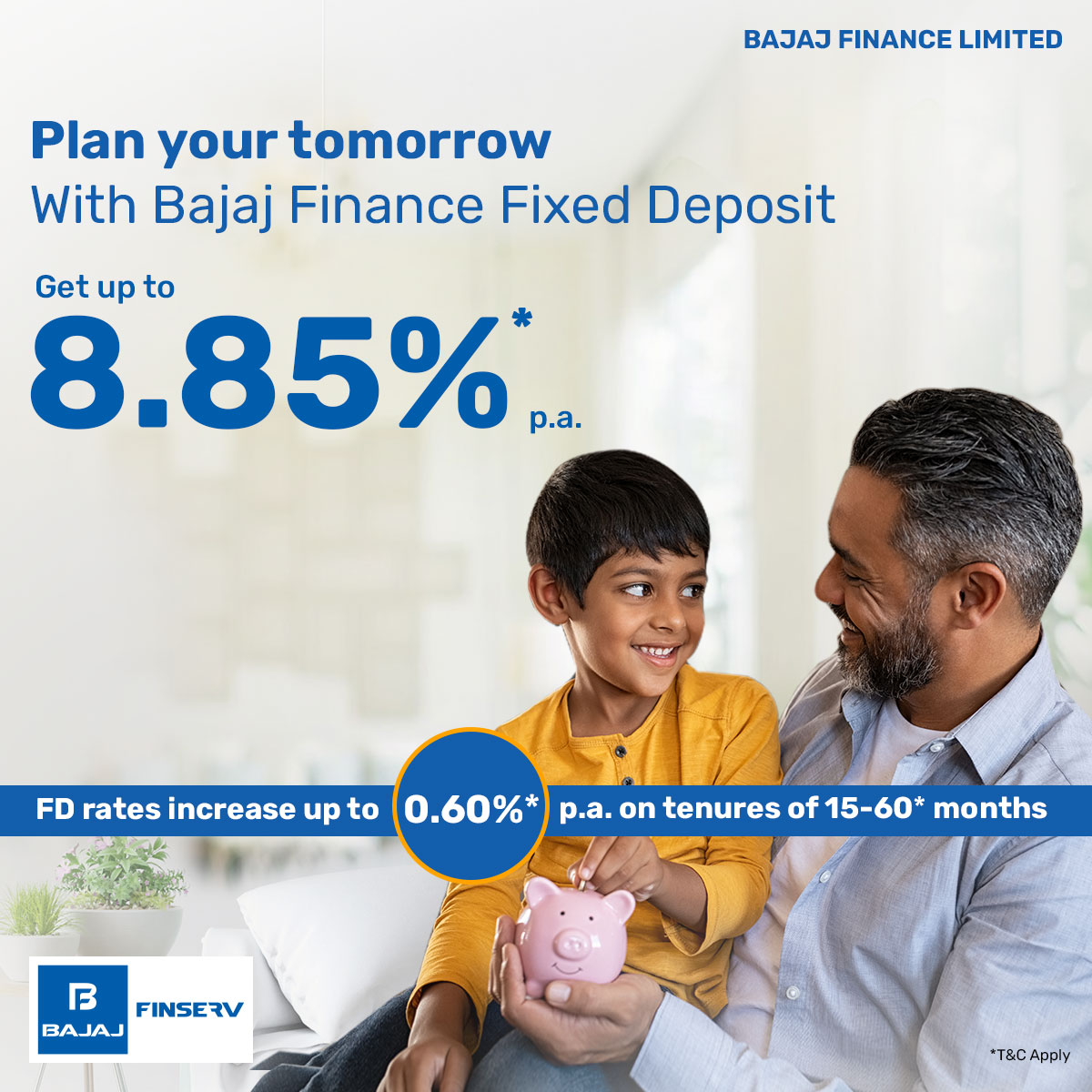
A suitable fixed deposit should match the investor’s financial objective and the period for which the money can remain invested. Comparing products on overall suitability rather than interest rate alone can help create a more balanced savings strategy.
Start With The Financial Goal
Before opening a fixed deposit, investors should identify why the money is being invested.
Possible goals may include:
- Building funds for a planned purchase
- Saving for education expenses
- Creating a short- or medium-term financial reserve
- Setting aside money for a future obligation
- Preserving capital for a defined period
The goal can help determine an appropriate tenure.
Money required within a few months may need a different approach from funds that can remain invested for several years.
Interest Rate Should Be Considered With Tenure
Fixed deposit rates can vary depending on the investment period and the institution offering the deposit.
Investors should compare:
- Applicable interest rate
- Deposit tenure
- Interest-payment frequency
- Maturity amount
A slightly higher rate may not always compensate for a tenure that does not match the investor’s financial plan.
The right deposit should balance return expectations with access to money when it is needed.
Understand How Interest Is Paid
Fixed deposits may provide different interest-payment options depending on the product.
Some may allow interest to be:
- Paid periodically
- Reinvested until maturity
- Credited according to specified terms
Investors should understand the chosen structure before committing funds.
Someone seeking periodic income may have different requirements from an investor who wants the entire amount to accumulate until maturity.
Liquidity Should Be Planned Before Investing
One important limitation of a fixed deposit is that money is committed for a selected tenure.
Premature withdrawal may be possible depending on the product, but conditions or penalties may apply.
Before investing, users should ask:
- Could this money be needed unexpectedly?
- Is there a separate emergency reserve?
- What happens if the deposit is closed early?
Keeping sufficient liquid savings outside the deposit can reduce the need for premature withdrawal.
Premature Withdrawal Terms Need Attention
Investors should read the early withdrawal conditions carefully.
Depending on the deposit, premature closure may affect:
- Applicable interest
- Final maturity value
- Penalties or deductions
A product with a high stated rate may be less suitable if the investor is likely to need the funds before maturity.
Liquidity requirements should therefore be assessed before choosing the tenure.
Consider Splitting Large Deposits
Instead of placing all available savings into one deposit, some investors may prefer to divide the amount across multiple deposits.
For example, different deposits may have different maturity dates.
This approach can provide greater flexibility because the investor may not need to close the entire investment if only part of the money is required.
The exact structure should still be based on personal financial needs.
Deposit Tenure Should Match The Expected Need
Fixed deposits may be available across a range of tenures.
When choosing one, investors should consider when the funds are likely to be needed.
A deposit intended for:
- A near-term expense
- A medium-term goal
- A longer savings objective
may require different maturity periods.
Selecting a tenure only because it offers a higher rate can create liquidity problems if the money is needed earlier.
Compare Maturity Amounts, Not Just Rates
Interest rates are useful for comparison, but investors should also consider the expected maturity amount.
This can help answer a practical question: how much money will actually be available when the deposit ends?
Understanding the maturity value can make it easier to match the investment with a planned financial goal.
Review The Institution Offering The Deposit
The institution accepting the deposit is an important part of the decision.
Investors should consider factors such as:
- Regulatory status
- Product terms
- Deposit conditions
- Customer support
- Documentation
A high interest rate should not be viewed in isolation from the credibility and terms of the institution providing the deposit.
Understand Applicable Tax Treatment
Interest earned from fixed deposits may be subject to applicable tax rules.
Investors should consider the post-tax outcome rather than looking only at the stated interest rate.
The effective return can vary depending on individual tax circumstances.
Tax treatment can also influence whether a fixed deposit fits efficiently into the investor’s broader financial plan.
Avoid Using Emergency Money For Long Tenures
Funds required for unexpected expenses should generally remain accessible.
Emergency needs may include:
- Medical expenses
- Urgent repairs
- Temporary income disruption
- Other unforeseen costs
Locking all available cash into a fixed deposit can reduce financial flexibility.
A separate emergency fund can help avoid unnecessary premature withdrawals.
Automatic Renewal Should Be Reviewed
Some fixed deposits may offer automatic renewal at maturity.
While convenient, investors should not allow a deposit to renew indefinitely without review.
At maturity, it can be useful to reconsider:
- Current financial goals
- Available interest rates
- Liquidity needs
- Alternative savings options
A product that was suitable previously may not always remain the most appropriate choice.
Avoid Chasing Rates Without Reviewing Conditions
A higher interest rate can attract attention, but investors should still check the complete product terms.
Important factors include:
- Tenure
- Premature withdrawal conditions
- Interest-payment method
- Minimum deposit
- Maturity instructions
The highest advertised rate does not automatically make a deposit suitable for every investor.
Fixed Deposits Can Play A Specific Portfolio Role
A financial portfolio may contain different assets for different purposes.
Fixed deposits can potentially serve goals related to:
- Capital stability
- Defined maturity
- Short- or medium-term savings
Other assets may be used for growth-oriented objectives or long-term wealth creation.
Understanding the role of each component can help avoid concentrating all savings in one product.
Review The Deposit At Maturity
When a deposit matures, investors should reconsider whether the money should be:
- Reinvested
- Used for the intended goal
- Kept liquid
- Allocated elsewhere
Automatic reinvestment may be convenient, but a fresh review helps ensure the money continues to support current financial priorities.
Use Digital Tools To Estimate Commitments Separately
A loan calculator can help estimate borrowing-related figures when credit is being considered for a separate financial need, but debt calculations should not be confused with fixed-deposit planning.
Savings and borrowing have different purposes. A fixed deposit creates an investment or savings allocation, while a loan creates a repayment obligation that needs to be assessed independently.
Conclusion
Choosing a Best FD involves more than identifying the highest interest rate. Investors should consider tenure, maturity value, liquidity requirements, premature withdrawal terms, taxation, the institution offering the deposit, and the specific financial goal the investment is intended to support.
Keeping emergency funds separate, reviewing deposits at maturity, and matching tenure with expected cash needs can make fixed-deposit planning more practical.
A suitable fixed deposit is one that provides predictable savings while fitting comfortably within the investor’s broader financial plan.